
Why Most Weight Loss Plans Fall Apart Before Lunch
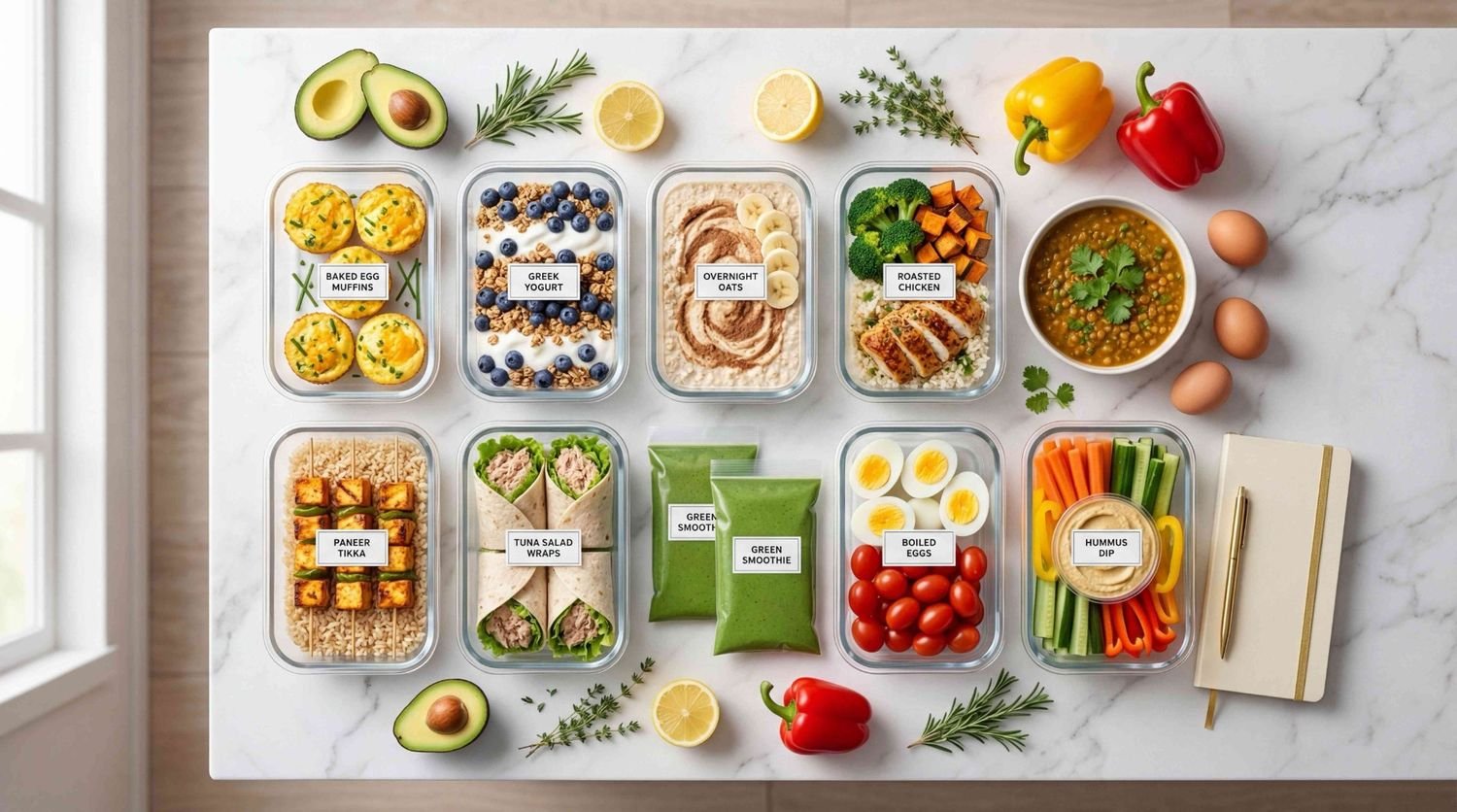
High Protein Meal Prep Recipes for Weight Loss Beginners starts from the time you wake up. You’re in a rush. You grab something quick — a biscuit, a slice of toast, leftover chips from last night. Sound familiar? Here’s the hard truth: most people don’t fail their diet at dinner. They fail it at breakfast, before the day even begins. Studies show that nearly 80% of weight loss attempts collapse within the first few weeks — not because people lack willpower, but because they lack a plan. When your kitchen has nothing ready, your brain picks the easiest option, which is rarely the healthiest one. Meal prep fixes this. It puts the decision on Sunday, not Monday morning when you’re running late and starving. The moment you start preparing your food ahead of time, everything shifts.
What Is Meal Prep — And Why Should Beginners Start Now?
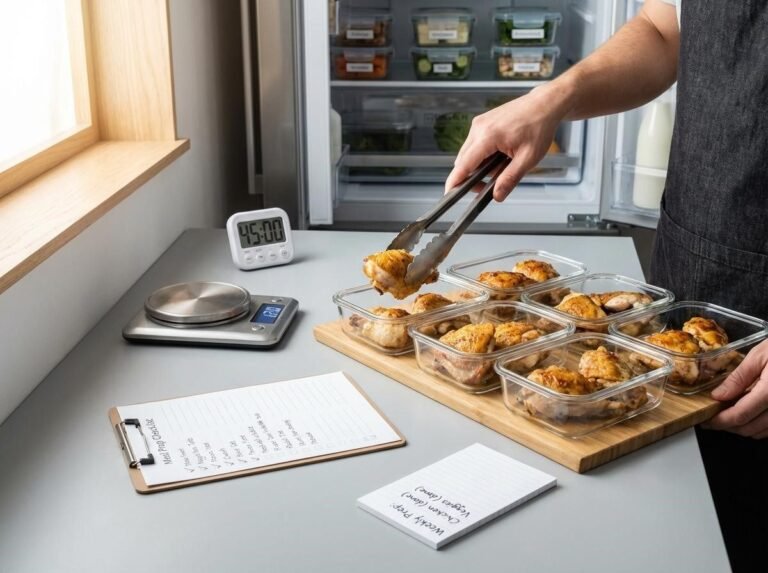
Meal prep means cooking or preparing your meals in advance, usually once or twice a week, so you always have healthy food ready to grab. For beginners, it sounds like a big job — but it’s actually one of the smartest habits you can build.
Here’s why it works. First, it removes daily decision fatigue. When your food is already made, you don’t stand in front of the fridge guessing what to eat. Second, research shows that people who prep meals at home consume fewer calories, less sugar, and more protein than those who eat on impulse. Third, it saves money. Buying ingredients in bulk and cooking at home costs significantly less than ordering food or buying packaged snacks. Studies from nutrition journals suggest that meal prepping can cut your weekly food spend by up to 30%. Time-wise, prepping for two hours on a weekend replaces 30-minute daily cooking sessions — saving you real time every single day. For weight loss beginners, meal prep is not a bonus habit. It is the foundation.
Protein 101: How Much You Need and Where to Get It
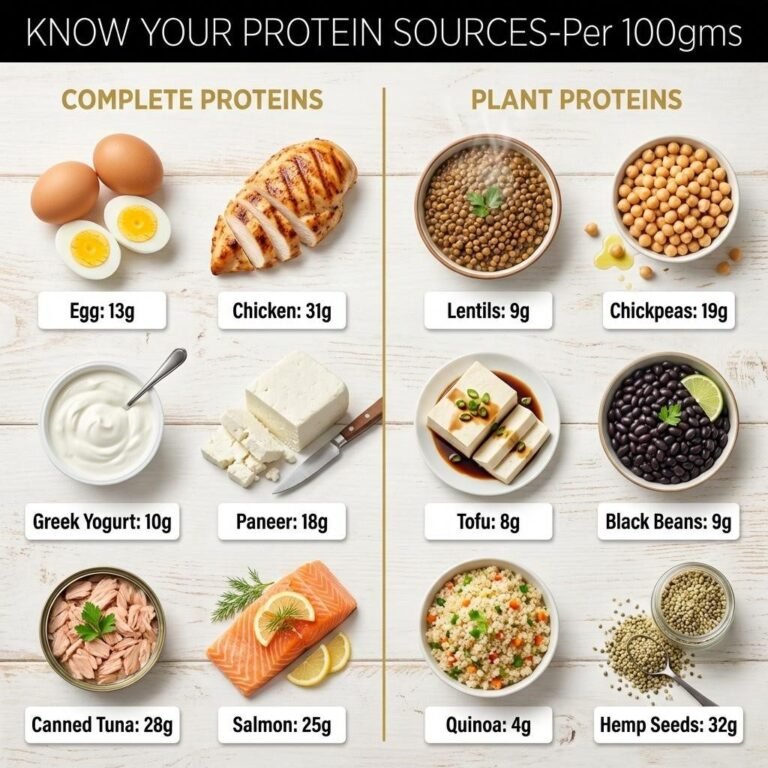
Protein is the most important macronutrient for weight loss. It keeps you full, protects muscle while you lose fat, and requires more energy to digest than carbs or fat. But most people eat far too little of it — especially at breakfast.
As a general guide, aim for 25 to 40 grams of protein per meal. Active individuals or those trying to build muscle may need more — up to 0.8 to 1 gram per pound of body weight daily.
Protein sources fall into two types. Complete proteins contain all nine essential amino acids your body cannot produce on its own. These include eggs, chicken, fish, beef, dairy, and soy. Incomplete proteins are missing one or more essential amino acids. These include lentils, beans, oats, nuts, and most grains. Incomplete proteins are not bad — you just need to combine them through the day. For example, pairing rice with lentils creates a complete amino acid profile. When you prep your meals, making sure each one hits your protein target is the single biggest lever for weight loss success.
Meal Prep for Weight Loss
Breakfast Meal Prep Recipes: The Breakfast Habit That Changes Everything
1.Egg Muffins
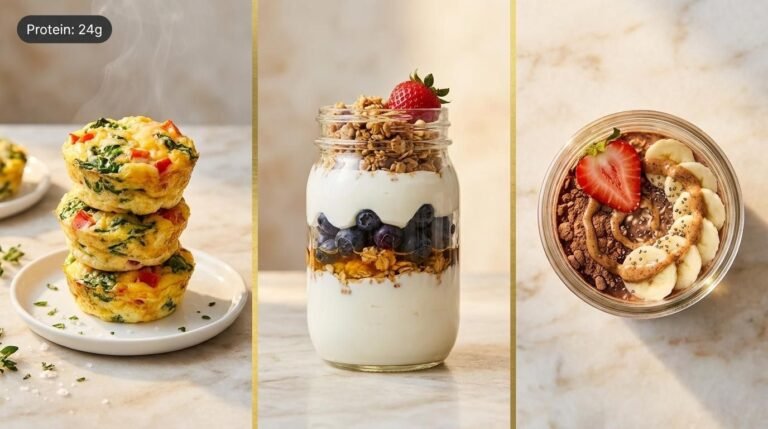
These savory bites take 25 minutes to make and last four days in the fridge. Preheat your oven to 180°C. Whisk 6 eggs with salt, pepper, diced bell peppers, spinach, and crumbled feta. Pour the mixture into a greased muffin tin and bake for 18 to 20 minutes.
Macros per 2 muffins: Calories: 180 | Protein: 14g | Carbs: 4g | Fat: 12g
2.Greek Yogurt Bowls
Add one cup of full-fat Greek yogurt to a container. Top with half a cup of mixed berries, one tablespoon of chia seeds, and a light drizzle of honey. Seal and refrigerate. You can prep five of these in under ten minutes.
Macros per bowl: Calories: 220 | Protein: 18g | Carbs: 22g | Fat: 6g
3.Overnight Oats with Protein Powder
In a jar, combine half a cup of rolled oats, one scoop of vanilla protein powder, one cup of almond milk, and one tablespoon of peanut butter. Stir well, seal, and refrigerate overnight. In the morning, grab and go.
Macros per jar: Calories: 380 | Protein: 30g | Carbs: 38g | Fat: 10g
Lunch & Dinner Meal Prep Recipes: The Dinner Habit That Does the Work for You
1. Chicken Rice Bowls
Cook 500g of chicken breast in a pan with olive oil, garlic, and your choice of seasoning — cumin and paprika work great. Pair with one cup of cooked brown rice and steamed broccoli. Divide into four containers.
Macros per bowl: Calories: 420 | Protein: 42g | Carbs: 38g | Fat: 8g
2. Lentil Soup
Sauté onion, garlic, and tomatoes in a pot. Add one cup of red lentils, four cups of vegetable broth, cumin, and turmeric. Simmer for 25 minutes until thick. This recipe makes four generous servings and stores well for five days.
Macros per bowl: Calories: 280 | Protein: 16g | Carbs: 44g | Fat: 4g
3. Paneer Tikka Bowls
Cut 300g of paneer into cubes. Marinate in yogurt, turmeric, chili, and garam masala. Air fry or grill for 15 minutes. Serve over brown rice with sliced cucumbers and a squeeze of lemon.
Macros per bowl: Calories: 460 | Protein: 28g | Carbs: 36g | Fat: 18g
4. Tuna Salad Wraps
Mix one can of tuna with Greek yogurt (instead of mayo), diced celery, red onion, and a pinch of black pepper. Spoon into a whole wheat wrap and fold tightly. Wrap in foil and refrigerate. Ready in five minutes.
Macros per wrap: Calories: 320 | Protein: 34g | Carbs: 28g | Fat: 7g
Grab-and-Go Snack Prep
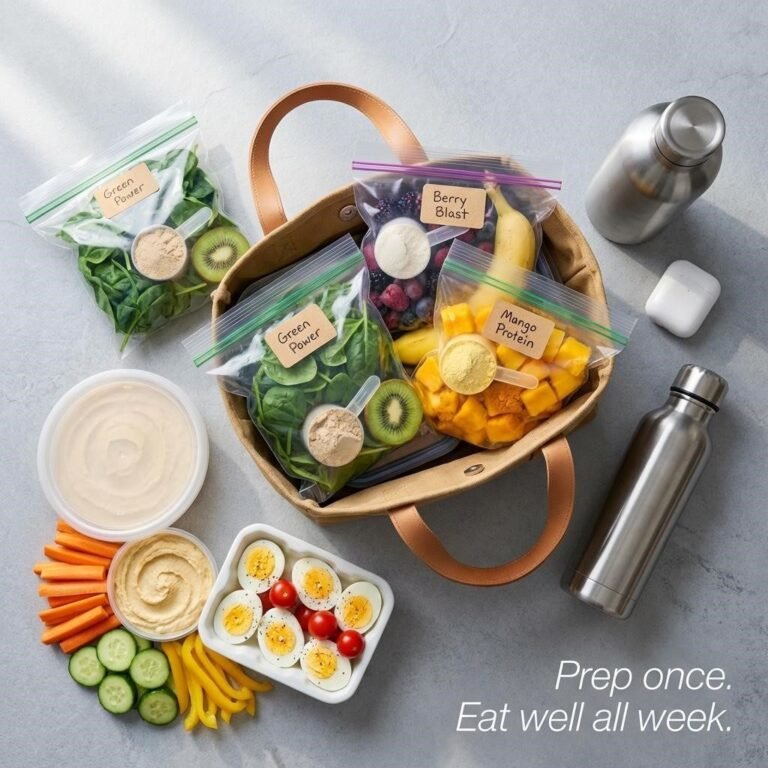
1. Smoothie Packs
Portion your frozen fruit, spinach, and protein powder into zip-lock bags ahead of time. Each morning, dump one bag into the blender, add almond milk, and blend for 60 seconds. Done.
Macros per smoothie: Calories: 260 | Protein: 24g | Carbs: 28g | Fat: 5g
2. Boiled Egg Boxes
Boil a batch of 8 to 10 eggs on Sunday. Peel them, place 2 eggs per container, and add a small portion of mixed nuts or cherry tomatoes on the side. These make a perfect mid-morning or evening snack.
Macros per box (2 eggs + nuts): Calories: 210 | Protein: 14g | Carbs: 4g | Fat: 15g
3. Hummus Veggie Containers
Spoon two tablespoons of hummus into a small container. Add carrot sticks, celery, and cucumber slices on the side. This snack is crunchy, filling, and takes less than five minutes to put together for the whole week.
Macros per container: Calories: 140 | Protein: 5g | Carbs: 16g | Fat: 7g
How to Spread Your Calories Through the Day
Most people eat their smallest meal at breakfast and their biggest at dinner. That’s the wrong way around — especially if weight loss is your goal.
Your body burns calories most efficiently earlier in the day. By evening, your metabolism slows down, your activity drops, and you don’t need as much fuel. Eating a large dinner right before you sit on the couch — or worse, before bed — means your body stores more of those calories as fat rather than burning them for energy.
A smarter approach is to front-load your calories. Here’s a simple daily breakdown that works well for most people targeting weight loss on a 1,400 to 1,500 calorie plan:
Meal | Calories | What to Focus On |
Breakfast | ~600 cal | High protein + complex carbs to fuel your morning |
Mid-morning snack | ~100 cal | Light — a boiled egg or a handful of nuts |
Lunch | ~500 cal | Balanced — protein, fibre, and some healthy fat |
Evening snack | ~100 cal | Keep it small — hummus and veggies or Greek yogurt |
Dinner | ~200 cal | Light — a bowl of soup, a small salad, or lean protein with greens |
This approach — eating the most at breakfast and the least at dinner — aligns with your body’s natural energy rhythm. Research consistently shows that people who eat larger morning meals lose more weight and feel less hungry through the day compared to those who save their calories for the evening.
The good news? Meal prep makes this easy. When you already have your egg muffins, overnight oats, and prepped chicken bowls ready in the fridge, hitting these numbers becomes second nature — no calorie counting app required.
Frequently-Asked Questions(FAQ's) About Meal Prep
Q1. How long do prepped meals stay fresh in the fridge? Most cooked meals last 4 to 5 days safely in airtight containers. Soups and grains tend to hold up better than salads or dairy-based dishes.
Q2. Do I need special containers for meal prep? Glass containers work best — they don’t absorb smells, are microwave-safe, and last longer. BPA-free plastic containers also work well and are lighter to carry.
Q3. Can I meal prep if I have a small budget? Yes. Eggs, lentils, oats, canned tuna, and frozen vegetables are among the most affordable high-protein foods available. You don’t need expensive ingredients to eat well.
Q4. Will meal prepped food taste boring after a few days? Not if you vary your spices and sauces. Keep a few different condiments on hand — hot sauce, lemon, and fresh herbs go a long way in keeping meals interesting.
Q5. How do I start if I’ve never meal prepped before? Start small. Pick one breakfast and one lunch recipe this week. Prep just those two things. Build the habit gradually before you prep full-week menus.
Ready to Start Cooking Smarter?
Browse our full collection of easy, high-protein meal prep recipes built for real people with real schedules.
 Explore all recipes at thebrewingmind.com/recipes
Your future self — the one who isn’t scrambling for food at 7am — will thank you. Also another healthy easter recipe you can check out is Avocado Toast for Easter Brunch.
